Home     Blog

How to Use the Windows XP Recovery Console

How to Use the Windows XP Recovery Console

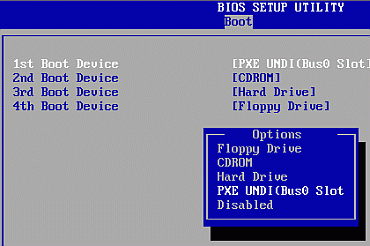
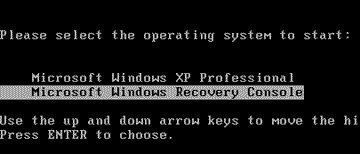
The Windows XP Recovery Console can be used to repair problems which prevent a Windows XP system from booting. Boot Windows XP from CD or Floppy First, boot the computer from the Microsoft Windows XP CD. Before you start the process, go into your BIOS settings and ensure that your CD-ROM drive has the highest drive priority and not the disk drive or some other drive. If you don't have a Microsoft Windows XP CD, or if the computer you are working on does not have a CD drive, you can boot fro

[ read more ]

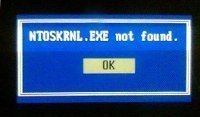
What is ntoskrnl.exe?

What is ntoskrnl.exe?

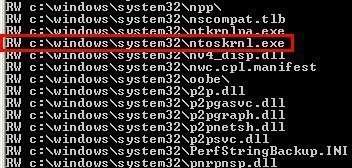
Ntoskrnl.exe (Windows boot up kernel) is a vital component utilized in the boot process for NT based Microsoft operating systems. It is also responsible for a host of system services such as process and memory management, security management, object management, hardware virtualization and so on. It holds several sub systems: Cache Manager, I/O Manager, Configuration Manager, Local Procedure Call, Memory Manager, Process Structure, Object Manager and Security Reference Monitor. Collectively, they

[ read more ]

How to Change Windows Startup Options

How to Change Windows Startup Options

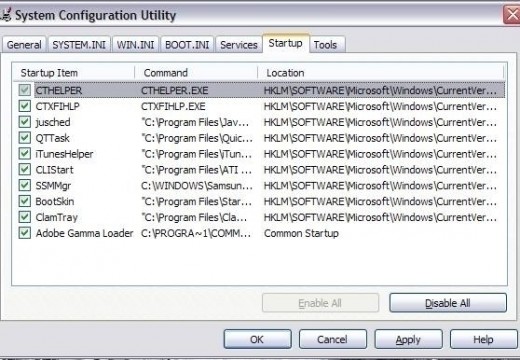
As a Windows computer ages, the number of third party applications that users download increases. Many of these programs automatically configure themselves to be opened when Windows starts eating away at the resources available for the computer to perform routine tasks. This can significantly slow overall computer speed. Users can mitigate this problem by changing the Windows startup options to only include the applications that they really need started every time they reboot the Windows compute

[ read more ]

How to Use Recovery Console

How to Use Recovery Console

What is The Recovery Console? The Recovery Console is a command-line prompt that is available in most versions of the Windows Operating System. It allows users to repair/replace broken, corrupted, or missing system files. These files are crucial to Windows' normal functionality and performance and the entire operating system can stop working if these files are damaged. In fact, Windows may not startup at all when these files are missing and requires the user to open the Recovery Console fr

[ read more ]

NTLDR

NTLDR

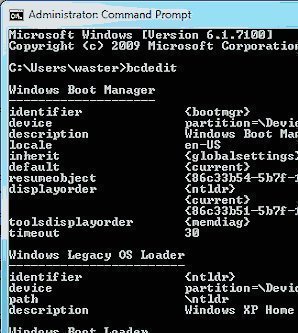
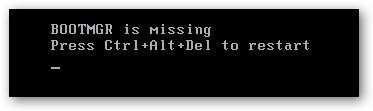
A boot loader is a special program whose purpose is to load other software and files that are required to bring the computing system into a ready-to-run state. NTLDR is an abbreviation for New Technology Loader, and it is the boot loader for all the releases of Microsoft’s Windows NT operating system up to Windows Server 2003 and Windows XP. In Windows Server 2008 and Windows Vista and Windows 7, NTLDR has been replaced by Windows Boot Manager and winload.exe. A boot loader usually resides

[ read more ]

How to Boot in Safe Mode

How to Boot in Safe Mode

The safe mode boot option was first introduced with Windows 95. It is a problem-solving mode of an operating system. Safe Mode and other Safe Boot options menu can be accessed by pressing the F8 key on the keyboard, while the computer is restarting. What is Safe Mode? When the operating system fails to boot normally,  safe mode can help you identify and resolve the issues that are preventing the OS from working normally. Issues that need booting to safe mode are typically major ones, such

[ read more ]

PXE Boot

PXE Boot

PXE Boot (Pre-eXecution Environment) is a protocol that boots computers without using a hard drive or an operating system. It is often used in industrial computers that do not require a graphical user interface, but require other applications to be run. PXE Boot is run over a network of computers and may or may not include Internet access. It is almost exclusively used in systems that are connected to a central server and uses subsequent computers to run virtual operating systems or DOS-like API

[ read more ]

How to Dual Boot Windows 7 and Ubuntu

How to Dual Boot Windows 7 and Ubuntu

Windows 7 is the latest operating system that Microsoft released. It replaced Windows Vista in 2009. Windows 7 was invented to address fatal flaws in Windows Vista that the general public disliked. While correcting major concerns about file accessibility, design, and compatibility issues with popular applications, Windows 7 combined some of the beneficial aspects of both Windows XP and Windows Vista.   What is Ubuntu? Ubuntu is a Linux-based operating system that was released i

[ read more ]

How to Recover a Boot Record in XP

How to Recover a Boot Record in XP

The boot record stores the first bits of software that the system executes once the BIOS hands control of the computer over to software. The boot record stores instructions used to start Windows XP. Each drive partition can store a boot record. Damage to a boot record may be caused by a hardware error, software error, user error, or even malware such as a boot sector virus. How to Recover a Boot Record in XP To recover the boot record in XP, use the fixboot command in the Recovery Console. Th

[ read more ]

How to Remove Programs from Startup

How to Remove Programs from Startup

A common problem that most owners of Windows computers experience is that the older the computer, the longer it takes for it to start or boot. Typically this condition results from a large number of programs being installed on the computer over time that are configured to be started on-boot of your computer. Although you may use a number of these applications, free-trial programs that you may no longer use will continue to be in the start-up listing of programs on your computer until removed.

[ read more ]

Page 1 of 212