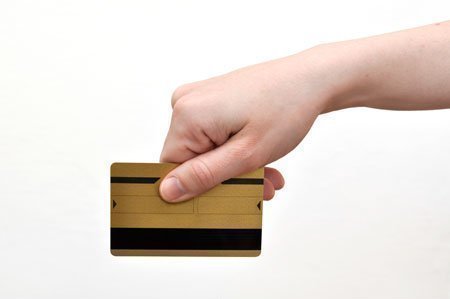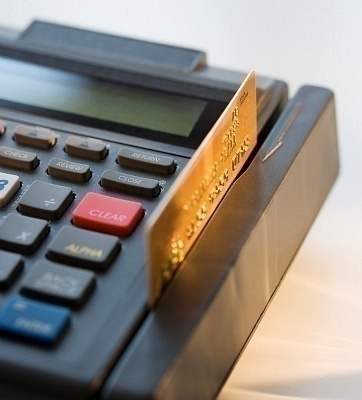
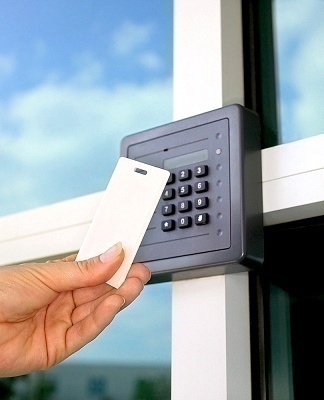
Data is laid out on a standard magnetic card in three tracks. A magnetic stripe card may have any of these tracks or a combination of these tracks.
Track 1 was the first track standardized. The International Air Transportation Association (IATA) developed it and it is still reserved for their use. It is 210bpi with room for 79 7-bit characters.
Track 1 is encoded with a 7-bit scheme (6 data bits plus one parity bit) that is based on ASCII. If the reader does not perform the ASCII conversion,
[ read more ]
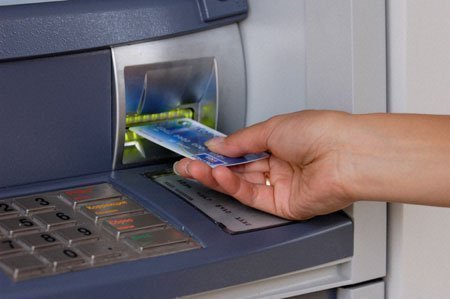
An ATM skimmer is a card reader that is installed on some ATMs by criminals in order to steal the card numbers and PINs of the victims who use them. ATM skimmers vary in sophistication, but may be installed either directly within an ATM or next to it and may either interfere with the ATM’s regular functions or simply trick the victim into swiping his/her card. ATM skimming has been performed since the 1990s, but has recently become much more popular due to smaller computers and other advanced
[ read more ]
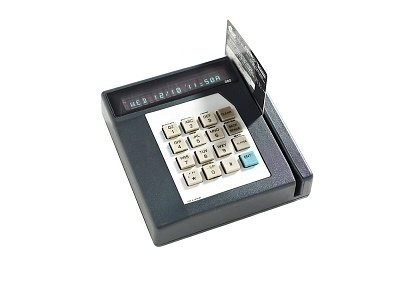
Smart Card Readers are also known as card programmers (because they can write to a card), card terminals, card acceptance device (CAD), or an interface device (IFD). There is a slight difference between the card reader and the terminal. The term 'reader' is generally used to describe a unit that interfaces with a PC for the majority of its processing requirements. In contrast, a 'terminal' is a self-contained processing device.
Smart cards are portable data cards that must communicate with an
[ read more ]
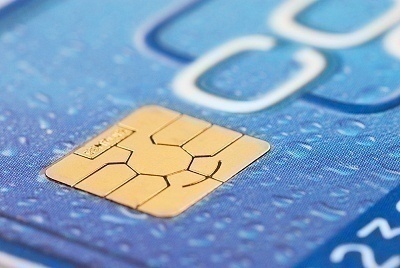
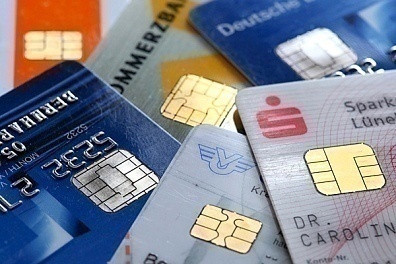
A smart card contains an integrated circuit (IC) chip containing a central processing unit (CPU), random access memory (RAM) and non-volatile data storage. Data stored in the smart card's microchip can be accessed only through the chip operating system (COS). Smart cards provide a secure, portable platform for "any time, anywhere" computing that can contain and manipulate substantial amounts of data, especially an individual's personal digital identity.
Smart cards are a type of mini computer
[ read more ]
Homeland Security Presidential Directive 12 (HSPD-12) is a presidential directive that President George W. Bush signed following the September 11, 2001 terrorist attacks. HSPD-12 required that all government agencies take measures to produce and distribute "smart cards" to their employees and contractors in order to properly identify those attempting to access federal buildings and computer networks. HSPD-12 was designed to reduce terrorist threats and improve federal security, although it has p
[ read more ]
ISO 7816 is the internationally accepted standard for smart cards. ISO 7816 is a family of standards primarily dealing with aspects of smart card interoperability regarding communication characteristics, physical properties, and application identifiers of the implanted chip and data.
The ISO 7816 family includes eleven parts which are in a constant state of flux as they are subject to revision and update. ANSI can be contacted to get the latest version of the 7816 standards.
ISO 7816 Standar
[ read more ]
A Smart Card is a plastic card the size of a credit card with an integrated circuit built into it. This integrated circuit may consist only of EEPROM in the case of a memory card, or it may also contain ROM, RAM and even a CPU.
Most smart cards have been designed with the look and feel of a credit or debit card, but can function on at least three levels (credit - debit - personal information). Smart cards include a microchip as the central processing unit, random access memory (RAM) and data
[ read more ]
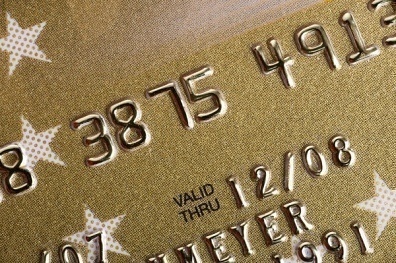
A test credit card number is the card number of a fake live credit account provided by a credit card company in order for retailers to verify that their card readers are working properly and that they are compatible with a specific credit card brand. Test credit card numbers are read like real credit card numbers, but no money is actually moved.
How Test Credit Card Numbers Work
A retailer can enter a test credit card number into his/her credit card reader or cash register in order to veri
[ read more ]
A magnetic card is a rectangular plastic object (credit/debit card) that contains either a magnetic object embedded within the card or a magnetic stripe on the card's exterior. A magnetic card can store any form of digital data.
The electronic devices designed to read stored information from a magnetic card do so either when someone swipes the card through a slot in the reading device or holds the card next to a magnetic card reader. About a hundred bytes of information can be stored on a mag
[ read more ]
A smart card is a mini computer which requires programming to run. A smart card doesn't contain an interface-like display or keyboard, so smart card readers are used to read or update the data tofrom smart cards. Smart cards contain an operating system which provides a platform to run applications.
Smart card operating systems can be divided into two categories.
The first kind of operating system is based on the Disk Drive approach. This operating system contains an active memory manager w
[ read more ]