

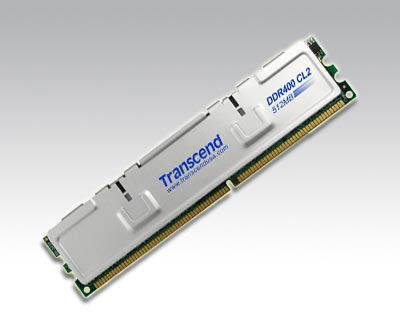
Unbuffered memory, or unregistered memory, is memory in which no hardware register exists between a RAM chip and a memory controller. Unbuffered memory is not as stable as buffered memory, but is faster and cheaper to implement. While buffered memory may be necessary in some computer systems, such as high-end corporate servers and workstations, where large amounts of memory are accessed on a regular basis, personal computers usually have unbuffered memory because they can be smaller, faster, and less expensive.
How Unbuffered Memory Works
In a typical system that uses buffered memory, the system can save temporary information to the buffer, or register, while a decision is made about what that information is for or whether it should be saved or not. For example, buffered memory systems provide configuration, status reporting, and temporary storage, especially during initialization. Unbuffered memory systems do not have these benefits.
Applications
Unbuffered memory is used to eliminate unnecessary time and equipment from a system. While unbuffered memory systems do not have built-in status reporting or error response features, they usually do still have configuration options and temporary storage, which is often provided by the BIOS during start-up of the system. Meanwhile, unbuffered memory does not require the additional size of the hardware register, allowing the system as a whole to be much cheaper than a buffered memory system, and is slightly faster because information does not need to be buffered by the hardware register.
Advantages
Unbuffered memory is advantageous because it is faster, smaller, and less expensive than buffered memory. Unbuffered memory provides users with all of the necessary components of maintain computer operations without the unnecessary equipment of buffered memory. Generally, users will only need buffered memory on servers and frequently-used workstations.
paul
Simply put, when using a unbuffered memory there is no intermediary cache between the ram and the memory controller (which is either on the motherboard(intel old cpu) or in the cpu (newer intel and amd cpu`s).Or even more simply explained there is no intermediary memory between the RAM memory and the memory controller