

Refractometers measure the refractive index of liquids, gases, and translucent solids such as gemstones. The measurement of how much the speed of light is reduced when traveling through a gas, solid, or solution is referred to as the refractive index. When the device is used to test liquids, it typically measures the salinity, fluid concentration, specific gravity, and blood proteins. The lenses and prisms inside the refractometer create a shadow line inside it that can then be viewed through a magnifying eye piece to note the measurement.
Who Invented the Refractometer?
Erst Abbe invented the first refractometer in the 1800s. Refractometers were created exclusively for Carl Zeiss, Inc. These devices included built-in thermometers with circulating water baths that controlled the fluid and instrument temperatures. Carl Zeiss used a visual sketch to sell the first refractometer in 1893.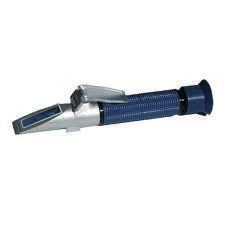
Types of Refractometers
There are currently four types of refractometers. These include digital, analog, the Abbe/lab, and the inline process refractometer. The analog and digital refractometers are normally hand held and work similarly, only their measurement display methods differ. The Abbe refractometer is not hand held, is primarily used for solids, and uses special filters. The inline process refractometer records liquid flow through a pipe or tank and uses a sensor inside the container to measure and compare the solution to a control sample.
Refractometer Uses
Refractometers are commonly used in wine-making in order to measure the grapes’ or fruit’s sugar content and assess their ripeness. Major sugar companies also use them to figure out what the solution percentage of sugar is in syrups, concentrated sap, and other saps. Veterinarians also use them to determine the protein concentration in animal blood samples and to determine the salinity of a salt-water aquarium. The devices have become fairly common over the past few decades. However, each refractometer still requires calibration in order to give an accurate reading.

Follow Us!