

A typhoon is nothing more than a hurricane that occurs in the North West Pacific Ocean. The same conditions that cause a hurricane in the Atlantic ocean that hit the United States every summer are the ones that cause a typhoon. However, a typhoon does have a series of specific “rules” to exist and therefore, the causes of a typhoon are a bit more particular than with a hurricane.
Typhoon Causes
The first cause is warm water. When there is an abundance of warm water, there is a considerable amount of energy for the typhoon. Water at temperatures of 79.7 degrees F is needed at a depth of 50 meters or more. If there is not this much available water at the right temperature, a typhoon won’t form. Warm water, when it mixes with cold air, creates a low pressure system. This is the start of that typhoon.
The next cause is the abundance of water. Once the typhoon has developed, it needs to be continuously fed. Therefore, high humidity is a must near the eye of the storm. As more heat meets with cold air, it results in more low pressure systems which gets the wind moving even more.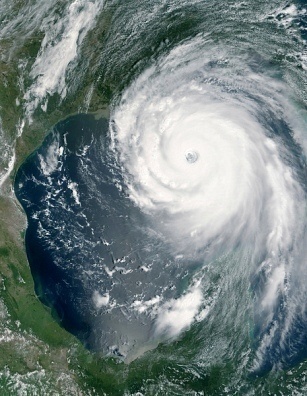
The big question, though, is where does the low pressure winds come from? When the northeast and southeast trade winds converge on each other, this results in a cooling of the air. This cooling is what meets up with the warm water and starts to cause the basis for a typhoon formation. If these winds never meet, there won’t be a typhoon because there won’t be a low pressure system.
One final necessity for a typhoon is location. For a typhoon to develop, it needs to be five degrees north of the Equator. That is the optimal location for typhoon development. Because of how precise it is, one would assume that typhoons are rare. However, some scientists suggest that the planet warming is a direct connection to the number of typhoons that a region has.


Bojan Necic
Hey guys! I’m doing a school project and I have a questions about Typhoons,
What actions can humans take to prevent Typhoons from happening.
Thank you for all this great information on your website, and I hope you could reply soon.
Thanks!