

The plenum is hidden space within a building which is used for HVAC (Heating, Ventilation, and Air Conditioning) and to run cables. Plenum space is normally above a suspended ceiling or under a raised floor. Buildings without plenum spaces will have cabling and HVAC ducts within plain view. The plenum space is normally used to accommodate the communication wires for the building's computer and telephone network. Recent studies have shown that wiring and cabling within the plenum space could be dangerous and be exposed to fire/burning possibilities.
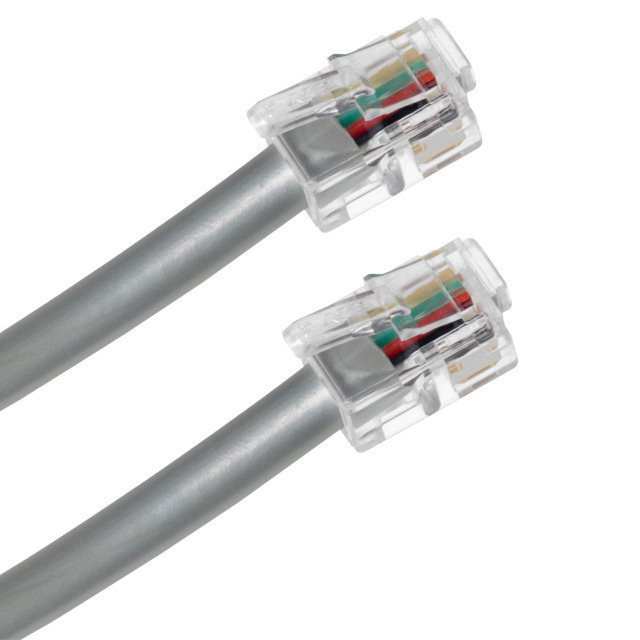
Plenum cable is wire that is carpeted in the plenum spaces of a building. The materials used in the creation of plenum cable are regulated under the National Fire Protection Association standard NFPA 90A: Standard for the Installation of Air Conditioning and Ventilating Systems in the United States.
Plenum cable is covered with a fire proof plastic layer of either a low-smoke polyvinyl chloride (PVC) {patented 1987} or a fluorinated ethylene polymer (FEP).
All substances anticipated for use in cables manufacturing (to be carpeted in plenum spaces) are planned to meet careful fire safety test standards in agreement with NFPA 262 and outlined in NFPA 90A. Plenum cable must meet two requirements to meet most fire codes:
- Plenum cable must not burn easily
- Plenum cable must not emit toxic fumes when exposed to extreme heat
Because of these requirements, plenum cable is usually more expensive than non-plenum cable. Plenum cable is also more stiff and difficult to work with than regular network cable.
Riser cables are those cables which are carpeted under the floor or non-plenum places. The fire requirements for riser cables are not so high and strict. Riser cables can possibly be replaced by plenum cables but plenum cables can never be replaced by riser cables.
Follow Us!