

The broad definition of a transducer is a device that changes energy from one type into another. However, most transducers change between electricity and another energy type. Transducers also have other names depending on their usage such as probe, detector, pickup, sensor, gauge, and electrode.
Chemical Transducers
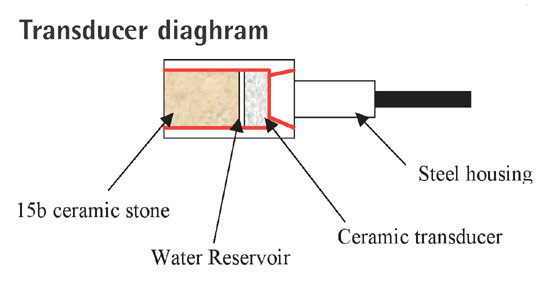
Acidity and alkalinity are measured using a pH meter and an ion-sensitive electrode. The electrode is a complex device consisting of many parts but is essentially a galvanic cell. The voltage produced by the electrode depends on the concentration of hydrogen ions in a fluid surrounding it. The meter is just a modified voltmeter that converts the voltage produced by the electrode into a pH number. The meter needs to have a very high impedance because the electrode has a very high resistance.
Electromagnetic Transducers
The antenna is the most basic transducer and can be made from a simple piece of wire. It converts electromagnetic energy into electricity when it receives signals and does the opposite when it transmits. The head used in tape players is another type of electromagnetic transducer which converts the magnetic patterns on the tape into electrical signals. Tape heads have been largely replaced by laser diodes which turn electricity into light, and photo-detectors which turn light into electricity.
Mechanical Transducers
Strain gauges have a long thin wire attached to a foil backing which is glued to an object. When the object changes shape, the strain gauge also changes shape and its resistance changes. The amount of stress or strain in the object is calculated from this change in resistance. Another type of mechanical transducer is the accelerometer, which converts the change in position of mass into an electrical signal. Accelerometers measure the force of acceleration and deceleration. They are used in car airbags, stability control, hard drives, and many electronic gadgets.
Nuclear Transducers
The famous Geiger counter detects radiation levels by using a transducer called a Geiger-Muller tube. The tube is energized with high voltage to create an electrostatic field between a center wire and the tube wall. It is filled with a Penning gas mixture at low pressure which ionizes readily when exposed to radiation. The free electrons produced from radiation flow towards the anode wire at the center of the tube, creating an electrical pulse which is detected by the Geiger counter.
Pressure Transducers
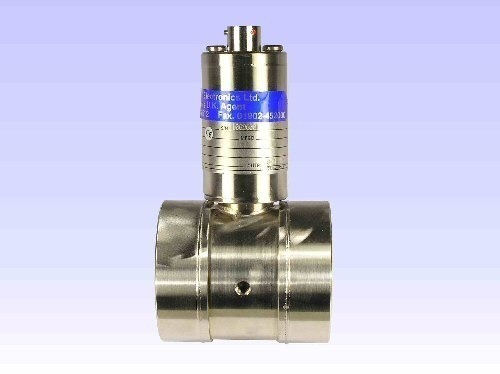
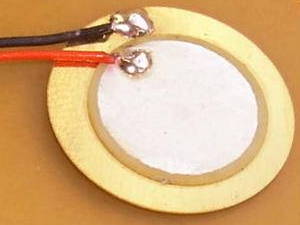
The most common types of pressure transducer are the microphone and speaker. Microphones convert sound pressure waves into electrical current, while speakers convert electrical current into sound pressure waves. Other types of pressure transducer include the geophone, hydrophone, and pickup needle. The geophone measures vibration in the earth and helps to predict earthquakes. The hydrophone detects water pressure waves and is used in sonar equipment. The pickup needle on a record player uses a piezoelectric crystal to produce an electrical current proportional to the variations in the record tracks.
Thermal Transducers
Thermocouples, thermistors, and resistance thermometers are all types of thermal transducers. They change their resistance proportionally to their temperature, but this relationship is different for each probe, and the meter needs to be calibrated for the type of probe being used. Thermal transducers are used in practically every device that measures temperature electronically.
Follow Us!