

Noise-canceling headphones are headsets that have the ability not just to block out noise but to cancel it using the properties of sound waves. Sound waves have compression and rarefaction characteristics similar to the crests and troughs of a transverse wave. They also have amplitude and frequency characteristics. These characteristics of sound waves are used in noise cancellation by noise-canceling headphones.
The first noise-canceling headphones were manufactured by Bose and quickly found a market especially among musicians. Their popularity came from their ability to filter out and eliminate the white noise that normal headphones can’t.
Passive Noise-Canceling Headphones
Passive noise-canceling headphones make use of the noise-canceling characteristics of their materials that are much like the soundproofing materials used in bars. These passive noise-canceling headphones are usually composed of layers of materials packed with high-density foam or other noise-filtering materials. These soundproofing materials are very effective especially against high frequency sounds. They are able to reduce noise levels to about fifteen to twenty decibels.
There is one disadvantage to using high-density foam and layers of noise-canceling materials, however. Due to the variety of materials used, passive noise-canceling headphones are heavier and more uncomfortable to wear than normal headphones.
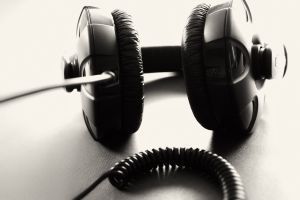
Active Noise-Canceling Headphones
Active noise-canceling headphones, on the other hand, make use of both passive and active means to filter out noise. The passive part of active noise-canceling headphones is the high-density foam material that can cancel out high-frequency noise. The active part, on the other hand, makes sure that no low frequency sound gets through.
Active noise cancellation is done by mimicking the incoming noise’s sound waves in every respect except that the resulting sound waves coming out of the active headphone’s speakers are out of phase with the incoming sound waves by 180 degrees. This means that the incoming sound wave – the noise – and the sound waves produced by the active noise-canceling headsets cancel each other out in a natural phenomenon called destructive interference.
Components of an Active Noise-Canceling Headset
An active noise-canceling headset has both noise-canceling hardware and software. The hardware is located near the ear cups of the headset and is used to create an accurate representation of the incoming noise with respect to amplitude and frequency. The data is then sent to a processing circuit and is used to produce an exact mirror image, but 180 degrees out of phase, of the incoming noise’s signature. This sound signal is then transferred to the noise-canceling headphone’s anti-sound speakers from which it interferes with and cancels out the incoming noise. The sound signal emitted by active noise-canceling headphones cancels out only unwanted noise, so it does not interfere with the audio that the user wants to hear.
A rechargeable battery is needed to power the noise-canceling circuitry in the headphone itself. An active noise-canceling headphone, through its active noise-canceling characteristics, can effectively cancel out up to seventy percent or 20 decibels of white noise. This makes it an ideal choice for train and plane travelers as well as serious musicians.
Follow Us!