

RSA, which stands for Rivest, Shamir, and Adleman, is a security algorithm used in digital cryptography. RSA differs from older symmetric algorithms because it has the ability of allowing digital signing as well as advanced encryption for online commerce systems and high-profile institutions. RSA was one of the first major advancements in digital cryptography but is now widely used to secure financial, personal, and corporate-level information for a variety of domestic and commercial users.
How RSA Works
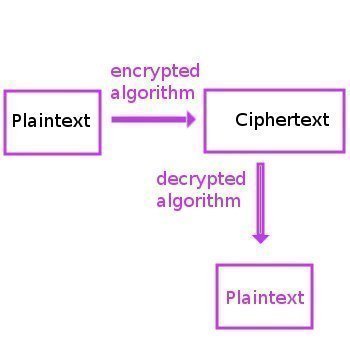
RSA involves the use of three individual functions . The first function of RSA is to generate both a public key as well as a private key. The public key is used solely for encryption and can be handed out to anyone. The private key, however, is used for decryption and is specifically generated to work only with the public key that it was made for. The user keeps the private key to himself/herself and uses it much like a password to access the contents of an encrypted file. The second function of RSA is to perform the encryption that secures files and webpages. RSA does this by choosing two random prime numbers and multiplying them in a way that produces a specific result. The third function of RSA is to perform decryption for encrypted files by using an equation that results in the exact opposite of the original equation, therefore revealing the two original prime numbers and allowing the user to access the encrypted information.
Applications
RSA is used in a wide variety of online commerce systems that process both the financial and personal information of a company’s customers. RSA is specifically used for allowing financial institutions and other trusted organizations to show their customers that they are accessing a secure server. Banks, online financial institutions like Paypal and MoneyBookers, online stores, and the vast majority of websites that ask for a social security number or other personally identifiable information all use RSA and similar encryption algorithms to secure their customers’ privacy.
Advantages
RSA is used for two important reasons: its ability to allow users to electronically sign their domains and other digital property and its capability of providing encryption for websites, servers, and files in general. RSA can be used in email, online commerce, and many other systems that require privacy for their users. Additionally, RSA is rather complex and is almost impossible to decrypt without a private key.

Follow Us!