

One of the oldest animation techniques that is still in use today is rotoscoping. When using this technique, animators trace over live action film movement on each frame to use in an animated film. When it was first used, live action film images were projected onto a glass panel that was frosted where an animator would redraw them. The associated projector is called a rotoscope. However, computers have replaced it in the past two decades. Today, the term refers to manually creating a matte for a visual element on a live action plate in order to composite it onto another background for use in film or a movie.
How does Rotoscoping Work?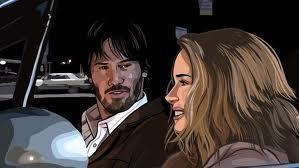
A rotoscope’s output may slightly deviate from the original true line of the image that vary between frames. When the frames are animated, an unnatural shake that is also referred to as a “boil” may result. Sometimes animators purposely use this effect. However, the effect is more commonly used to remove a single object form a movie scene in order to use it on a different background. One of the more famous examples is the light saber effects used in the first three Star Wars movies that were created by rotoscoping real sticks that the actors held. The biggest advance in the technique is using computers to construct the animation of the frames that the engineer or animator traces.
Rotoscoping in Film
Max Fleischer invented the rotoscoping technique and used it in his Out of the Inkwell series in 1915. The technique was patented in 1916 and was used in a number of cartoons including Betty Boop, Gulliver’s Travels in 1939, and most famously, Superman. Walt Disney later used the technique in Snow White and the Seven Dwarfs in 1937 and in a number of the subsequent films that used human characters. Russian films used the technique through the 1950s and it continues to be used in the movie industry today. Some of the more famous animated films in which the technique was used include the Yellow Submarine (1968), The Lord of the Rings (1978), Fire and Ice (1983), Disney’s Beauty and the Beast (1991), Tron (1982), Ghostbusters (1984), Forrest Gump (1994), Flags of Our Fathers (2006), and Juno (2007).

Follow Us!