

Humidity sensors (hygrometers) measure and report the air’s relative humidity. They are used in homes, wine cellars, and working environments that that are so humid that they negatively impact working conditions. Humidity sensors are also used in vehicles, industrial HVAC systems, and meteorological stations to help in the predicting and reporting of weather conditions.
How does a Humidity Sensor Work?
Humidity sensors detect the relative humidity of the immediate environments in which they are placed. They measure both the moisture and temperature in the air and express relative humidity as a percentage of the ratio of moisture in the air to the maximum amount that can be held in the air at the current temperature. As air becomes hotter, it holds more moisture, so the relative humidity changes with the temperature.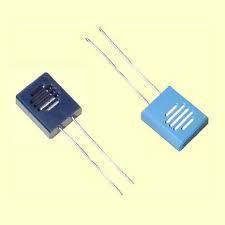
How do Humidity Sensors Work?
Most humidity sensors use capacitive measurement to determine the amount of moisture in the air. This type of measurement relies on two electrical conductors with a non-conductive polymer film laying between them to create an electrical field between them. Moisture from the air collects on the film and causes changes in the voltage levels between the two plates. This change is then converted into a digital measurement of the air’s relative humidity after taking the air temperature into account.
Humidity Sensor Uses
Private consumers typically use humidity sensors when they suffer from allergies or a respiratory illness that low humidity exacerbates. Conversely, high humidity can encourage mold, fungus, or bacteria growth. Humidity sensors are also used in wine cellars and humidors to help keep the air at a consistent humidity level to prolong wine and cigar storage. Museums, storage facilities, and commercial HVAC systems use the sensors to ensure a consistent level of moisture and air quality in the building(s). Automobiles now use humidity sensors as part of their defogging or defrosting systems to automatically adjust the amount and type of air used for the vehicle’s air conditioning system. Finally, humidity sensors are also used when collecting weather or oceanographic information while researching or measuring weather effects over time to help predict and analyze weather patterns.
Ed G
The humidity sensor in my popular $10 gage is in a sealed plastic case. How can it sense the air quality when it’s not exposed to the air. I don’t see any holes in the case to let any surrounding air in. Just curious.