

A plasma cutter is a device that directs an ionized gas at an object under extreme temperatures. Plasma cutters are often used for industrial purposes, such as cutting metal, and are dependent on plasma, an extremely hot state of matter. Plasma cutters are essentially a type of plasma torch meant for cutting metal rather than welding it.
How Plasma Cutters Work
A plasma cutter is comprised of one or more gas tanks, a negatively charged electrode, and a number of channels or internal hoses. As oxygen, nitrogen, or another gas is directed through the plasma cutter’s hose, it passes through an electrode that generates a spark. This spark then ignites the gas and generates temperatures up to 30,000 degrees Fahrenheit. Internal channels throughout the hose direct other gases to the end of the nozzle in order to contain the flammable gas. This allows the user to specify how wide or narrow the flammable gas is.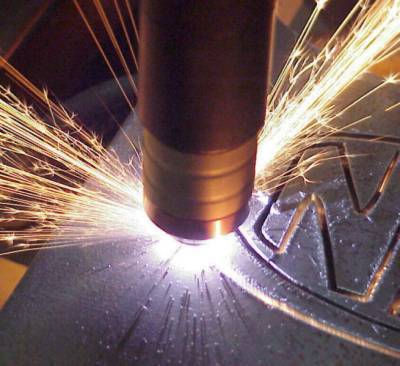
Applications
Plasma cutters have many uses. They are used in automechanics to cut metal doors to size, shape a car’s internal and external frame, and make modifications to existing automobiles. Also, locksmiths use plasma cutters to cut into vaults and safes when other methods fail. Plasma cutters also play a role in the construction industry as they cut metal beams and sheets, although these types of plasma cutters are often very large and completely automated. Lastly, a plasma cutter usually produces military hardware.
Advantages
Plasma cutters can direct a narrow stream of gas under pressures of up to 20,000 feet per second. Plasma cutters can also produce temperatures up to 30,000 degrees Fahrenheit without catching on fire. The internal channels of gas within plasma cutters make them relatively safe and pose very little threat to the user.
Disadvantages
Plasma cutters are generally very large and extremely expensive. They also require large amounts of gas and electricity to produce such high temperatures. Plasma cutters do pose some danger to the user and may be fatal under certain circumstances. As a result, the user must follow strict regulations whenever handling a plasma cutter.
saranya
Respected sir,
The contents were very simple and easy to understand and i amvery much satisfied with the results. I am interested to know about ball milling and so please send necessary informations.
What is ball milling?
How does it work?
What is the history, principle,instrumentation,application,advantages and disadvantages behind ball milling?