

Silicone grease is made when a thickener is combined with silicone oil in order to create a waterproof grease. The most common thickener used to make this grease is amorphousfumed silica with polydimethylsiloxane as the silicone oil. The resulting mixture is a translucent, viscous, white paste that has lubrication properties depending on the exact formula used to create the grease. Silicone grease has a wide range of uses in both the appliance and automotive industries. It is not suitable for applications that experience temperatures exceeding 300 degrees Fahrenheit because it generates formaldehyde vapors at these temperatures.
Industrial Use of Silicone Grease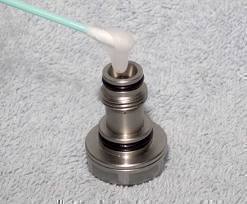
Silicone grease is primarily used in industry to preserve and lubricate rubber parts found in equipment such as O-rings. It is well suited for these applications as it does not soften or swell the rubber, which occurs with other grease types. It also helps to inhibit corrosion and has been used in various rifle types as a result. Many industrial thermal greases use a silicone grease base combined with other conductive fillers to aid in heat transfer. There are also specialized versions of the grease used in plumbing and dental equipment that support a wide range of temperatures.
Silicone Grease as an Electrical Insulator
Silicone grease is also significantly used as a dielectric grease. Since it is not conductive, it does not increase electrical current flow and is often applied to electrical connectors that contain rubber gaskets as a means of providing a non-conductive sealer and lubricant for the connector’s rubber parts. The grease is most commonly used on a spark plug’s rubber boots to help it slide into the plug insulator. It also helps to seal the spark plug’s rubber boot since the grease has additives that help it withstand the excessive temperatures that a spark plug experiences.
Consumer Use of Silicone Grease
There are a number of uses for silicone grease as a lubricant. These include petroleum jelly, gaskets on dry suits, o-rings in flashlights, waterproof watch sealers, and fountain pen mechanism lubricants. Silicone grease’s household uses include lubricating light bulb threads, shower heads, bolt threads, and garden hoses.
How to Remove Silicone Grease
A common need that arises for consumers is removing silicone grease. The following is a proven method to remove old grease that needs to be reapplied:
Step 1 – Mix 1/8 cup of mild dishwasher detergent into a half gallon of hot (not boiling) water.
Step 2 – Put rubber gloves on and place an old cloth or sponge into the cleaning solution. Excess water should then be removed from the cloth or sponge.
Step 3 – Scrub the grease requiring removal until completely gone. The sponge or cloth may require frequent rinsing until the grease is removed.
Step 4 – Rinse the area with clean, hot water after the grease is removed. Allow the area to dry before reapplying silicone grease.

Follow Us!