Security has always been a priority concern of IT professionals, especially the Chief Information Officers (CIOs) who hold ultimate responsibility for their company's computer and Internet security. In the years since the Internet first came on the scene, the security scenario has undergone rapid changes and developments as threat and counter-threats have been developed and deployed.
Recent surveys tend to confirm this perception. While IT security threats continue, the form and nature of the
[ read more ]
When dealing with Information Technology Infrastructure Library, there are numerous different components. These components, when combined together, make for an excellent response to issues that customers might have with an IT organization. While many of the steps in ITIL rely on helping customers to get issues resolved, problem management is different. Problem management, when implemented correctly, tries to resolve the causes of incidents. By doing this, those in this department are able to red
[ read more ]
Point of Sale refers to the location, hardware, and software that is used to process a transaction. Point of Sale systems are used in restaurants, retail outlets, and any other place where money and goods are exchanged. Point of Sale systems range in capability and design and are most frequently represented by the checkout terminals that are seen in stores and businesses. A true Point of Sale system includes a cash register, a computer that processes the exchange, a barcode reader, and a printer
[ read more ]
While Linux servers don't typically run graphical user interfaces (GUIs) they are just as capable of doing so as any other computers, and there are certain situations in which serving up GUI applications over the network may be necessary or desirable.
In fact, the still standard X11 display server for Linux was designed with the capability to serve up graphical interfaces over the network. This is actually one method of running GUI applications remotely from a server; X11 forwarding over SSH
[ read more ]
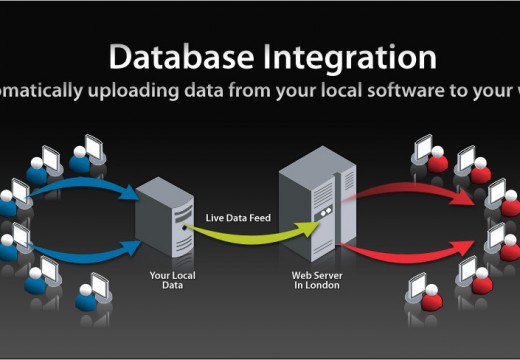
An Application Service Provider or ASP provides "applications" as a service - specifically, software and services having to do with the information technology requirements of companies and individuals. The service offered by Application Service Providers may include processing credit card payments, providing customer relations management (CRM) services to businesses, or customized applications.
The operational concept is straightforward - a service provider identifies a function or activity t
[ read more ]
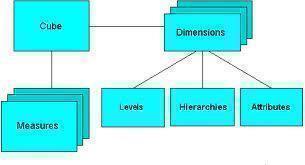
Data warehousing software is quickly on the rise to becoming one of the most needed forms of software on the market today. As more and more companies convert their brick-and-mortar foundations into cyber empires, the majority of information is now digital. Data warehousing software allows for these companies to manage their information by using various business tools to edit data and then store it in one central location that all parts of the company can access. In this article, we will discuss
[ read more ]
Cost containment has become a byword in IT circles because of the perceived conflicts between the IT staff (who are often seen as a cost center that has to be controlled) – and the financial and executive officers whom the IT people see as a barrier to improving the company's IT capabilities.
The truth, however, lies somewhere in between: while conflicts about costs and financial outlays do happen, some common sense approaches to the matter can help resolve problems and improve the company'
[ read more ]
Service Level Agreements (SLAs) have been an effective tool for managing IT service vendors for two decades now. Many companies also use internal SLAs for managing relationships between departments. Service Level Agreements define the duties of both organizations. External SLAs also define penalties which occur when the service provider organization fails to provide the defined level of service.
Cloud computing represents a new playing field for SLAs. Cloud computing integrates far more dee
[ read more ]
As organizations grow, their potential to increase the collaboration potential of on-line technologies also grow. Therefore, the need to implement document production control early in a project's life cycle has proven to be critical to success. Some may argue that document control is another layer of bureaucracy. However, for projects that involve many contributors, document controls make it easier for team members to find the most updated, relevant content that pertains to their interests or th
[ read more ]
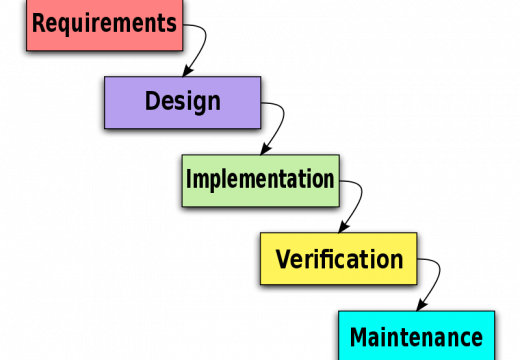
The Waterfall model is one of the best known applications of the Systems Development Life Cycle model (or SDLC), commonly used in the information systems, software, and systems engineering fields. The model is a sequential design process and gets its name from the visual depiction of progress, following the methodology looking like a waterfall as it steadily progresses downward through its phases. The Waterfall model originated from highly structured physical environments that see a high cost as
[ read more ]