

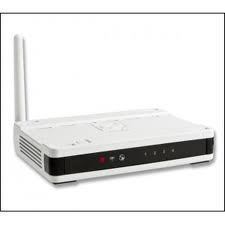
An Internet repeater is a device that allows amateur radio operators to communicate with each other over the Internet, much like how VoIP software allows telephone operators to communicate with each other over the Internet. Internet repeaters should not be confused with wireless repeaters, which allow users to extend the range of a wireless network. While many amateur radio hosts simply use their radio equipment to stream live radio shows on the Internet, Internet repeaters also allow radio operators to control remote radio locations, such as antennas and other broadcast systems, in order to extend the range of a radio broadcast system.
How Internet Repeaters Work
Internet repeaters convert radio frequencies generated by an operator’s radio equipment into digital data that can be carried over the Internet, much like a wireless adapter converts radio frequencies generated by a user’s wireless router into digital data. The data is then converted back into radio frequencies on the receiving end so that it can be interpreted and broadcasted by the remote radio equipment. This process can be performed by either software or hardware and may vary in features and capabilities depending on the system used.
Applications
Internet repeaters can be used to access and control remote radio equipment via the Internet, stream radio broadcasts to the Internet, or expand the range of radio broadcast equipment in order to communicate with operators in other parts of the world. Internet repeaters may be used with radio-based hardware, software-based virtual radio environments, and even with a simple microphone and speakers.
Advantages
Internet repeaters are advantageous because they allow radio operators to communicate with other operators in a way that has never been seen before. However, Internet repeaters are a relatively new technology and are still being adapted to fit the needs and legal requirements of amateur (ham) radio.

Follow Us!