

The Routing Information Protocol (RIP) is the IGP standard protocol that is used on Local Area Networks (LANs). It helps to ensure a higher degree of network stability by quickly re-routing network packets if one of the network connections goes offline. When the RIP is active on a network, users experience little to no service interruptions due to single router, switch, or server outages if there are sufficient network resources available to continue routing network traffic.
When was the Routing Information Protocol Invented?
C. Hedrick of Rutgers University invented the Routing Information Protocol in the summer of 1988. Since then it has become the most common routing protocol on LANs and WANs and continues to be used today. Hedrick’s work was based on the Unix computer program “routed,” which was distributed with the 4.3 version of the BSD branch of the OS. At that time, the “routed” protocol was the de-facto standard for research laboratories to communicate via network gateways. The RIP protocols use the Bellman-Ford algorithm for distance vector computation and other work completed as early as 1969 on the ARPANET. The PUP protocol preceded Hedrick’s work and later became the RIP.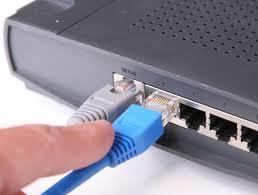
How does the Routing Information Protocol Work?
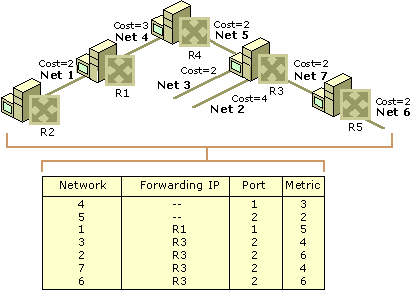
RIP relies on a routing database that stores information on the fastest routes that exist between destinations on the network. This lets each router tell others the fastest route(s) and uses an update algorithm that revises route updates for each router based on the latest information from neighboring routers. Each database stores the IP address, gateway, distance, route change flag, and timers for each destination within a given routers purview.
What is the Routing Information Algorithm?
The RIP algorithm requires each router to transmit an update message on regular intervals that describes its routing database’s contents to all of the routers it communicates with. Sometimes routers have to send this message as often as twice a minute in order to keep the networks’ routers updated with the most up-to-date information on the computers and routers that are currently on the network. Once a router discovers that a neighboring one has a shorter or faster path to a given destination, it revises its local database to include this faster path. This new path is then sent to the neighboring routers through the protocol’s update process until the entire network is updated. The RIP protocol uses the UDP data transmission packet to improve efficiency since it can rely on sending future updates on regular intervals.
Follow Us!