

The Physical Layer is the lowest layer in the OSI (Open Systems Interconnection) Model of computer networking and is used to transfer electrical signals that represent data from one place to another. While the Physical Layer does not represent data itself, it does provide a means for that data to move. Essentially, the Physical Layer represents the hardware of a computer network and consists of everything from the circuit boards and wires to the storage devices and media readers.
How The Physical Layer Works
The Physical Layer consists of different types of metal, plastic, and glass that are assembled in a way that allows electricity, light, and other forms of energy to be transferred from one location to another. Although the Data Link Layer, Network Layer, and Transport Layer are responsible for encoding data, the Physical Layer is responsible for transferring the data to where it needs to go. When a computer has encoded data that needs to be sent to another device, it uses the Physical Layer to transfer electrical signals or wireless radio waves to that device by either induction (a signal jumps from one wire to another) or propagation (a signal expands in all directions).
Applications
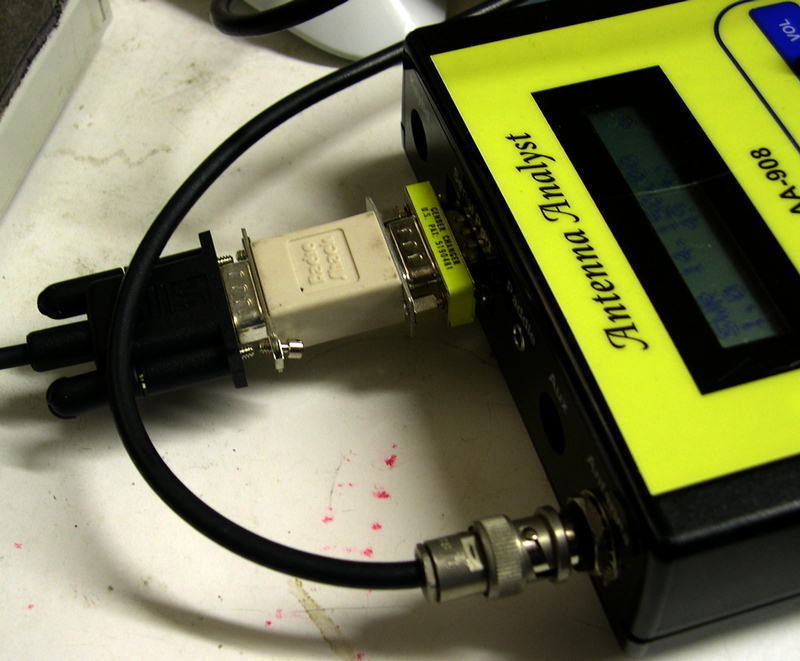
The Physical Layer is one of the most commonly used layers in the OSI Model and can be seen by the user at all times. Every wire, circuit board, modem, router, flash drive, hard drive, monitor, or antenna that a user interacts with while using a computer is a part of the Physical Layer.

Doctor. Man, Ph.D
hello, I am Doctor Do-nothing-but-copy-work, this explanation is very helpful.
PC
I have an assigment to submit very soon and it ask to make a case for adding another layer to the OSI model. In your response, state why this layer may be necessary.
pooja dubey
how can a physical layer be briefly explained???
vikram(patna)
what is difference b/w mac sub layer and llc sub layer
manu
can any one say how actually a data is transmitted from one layer to another between two hosts
JEEVA
TRANSMITION OCCUR ONLY THE LAYER IS CONNECTED
sunny
what is the diffrence between upper 4 layers and lower 3 layers of osi model?
eg: upper 4 layers use peer to peer connection and lower layes used conection-oriented why?
Will.Spencer
That is definitely not a difference between the upper four layers and the lower three layers.
The lower three layers are the media layers; the upper four layers are the host layers. In theory, this means that the lower three layers have more to do with the network and the upper four layers have more to do with the host. However, this distinction is purely arbitrary.
kannan
Yes you absolutely correct