

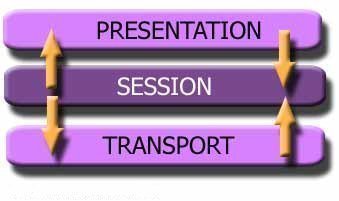
The Session Layer is Layer 5 of the OSI (Open Systems Interconnection) Model of computer networking. The Session Layer is directly after the Transport Layer and before the Presentation Layer, allowing it to interact with applications as well as network components. The Session Layer is responsible for opening, maintaining, and closing all sessions between multiple applications and/or devices. Because almost all network-related events involve the use of sessions, the Session Layer is used extremely often.
How The Session Layer Works
The Session Layer is responsible for opening, maintaining, and closing sessions between multiple applications and devices. A “session” is essentially a conversation between two applications or devices, consisting of requests and responses, and is used to share messages regarding how information is going to be handled. While the Session Layer is not responsible for actually transporting messages, it is responsible for contacting a remote location, delivering requests, and receiving responses. The Session Layer is also responsible for passing on any data that needs to be handled to the Transport Layer.
Applications
The Session Layer is an important component of the OSI Model and is used by most computers and applications on a daily basis. For example, when a user opens a web browser and visits a financial web site such as Paypal or an online bank account, the Session Layer is used to contact the server of that website and ask it how it will encrypt the user’s data. The server then responds with an answer and negotiates with the user’s computer on the best type of encryption to use and agree on the encryption keys. While this example is specifically targeted towards financial information and shows the necessity of the Session Layer for two devices or applications to communicate with one another, the Session Layer does essentially the same thing for every website the user accesses, especially when a username or password is required.

Follow Us!