

A galvanic isolator is any device that connects two circuits together without allowing electricity to flow directly from one circuit to the other. Instead of transferring electricity through direct contact, galvanic isolators use other means, such as electromagnetism, mechanical devices, optical systems, or acoustic systems to convert the electricity into another form of energy, transfer it to an output device, and then convert it back into electricity. There are many different types of galvanic isolators and they can be used in a wide variety of applications.
How Galvanic Isolators Work
A galvanic isolator separates two circuits by converting electricity from one circuit or circuit component into another form of energy and then converting it back into electricity once it has reached another circuit. Galvanic isolators prevent current that could damage sensitive electronic circuits from travelling between one circuit section and another. Galvanic isolators depend on light, electromagnetic waves, sound waves, mechanical energy, inductance, capacitance, or other means to ensure that the output current is the same or less than the input current.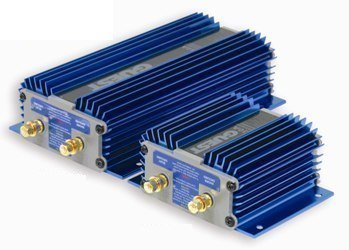
Applications
Optical isolators that are used in fiber optic communications and data transfers are a form of a galvanic isolator and depend on the polarization of near-infrared light to prevent feedback energy from disrupting a signal. Opto isolators prevent voltages in one circuit from damaging nearby circuits by converting electricity into a beam of light, directing it through a closed channel, and converting the light back into electricity. Additionally, all types of transducers are galvanic isolators.
Advantages
Galvanic isolators prevent electricity in one circuit or circuit component from damaging other circuits or circuit components that may be more sensitive and/or designed for a different function. Galvanic isolators also prevent interference or “noise” that variations of electricity in multiple circuits generate from disrupting the regular functionality of an electronic device. Galvanic isolators can be used in a wide variety of systems and can be made of different components in order to provide maximum efficiency for a number of situations. Likewise, galvanic isolators are usually very inexpensive and range in size depending on a specific application’s requirements.

suresh
Could be in detail explanation between optical isolation and galvanic isolation
Daniel Memetic
Here is a full article about opto isolators. That might help.