

A thermoelectric generator is a solid-state device that works similar to solar panels but converts heat, rather than sunlight, directly into electricity. A thermoelectric generator is usually made of bismuth telluride semiconductor junctions that are only several millimeters thick. This differs drastically from the bimetallic junctions that were previously used, which were much thicker. Thermoelectric generators generally do not have any moving parts, except for a fan, and can be used in a wide variety of applications to generate electricity.
How Thermoelectric Generators Work
In a thermoelectric generator, heat is transferred through a piece of metal such as bismuth telluride, that has a high resistance to heat and low thermal conductivity. As the heat travels through the metal, it is converted into electricity and can then be transferred to a conductor or directly to an electronic device. Generally, many thermoelectric generators are connected to each other in a series in order to generate as much electricity as possible.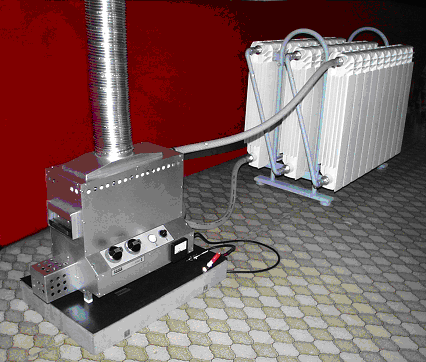
Applications
Thermoelectric generators are used in a wide variety of applications, but generally in situations in which there are few energy sources or a great deal of heat is otherwise wasted. Thermoelectric generators are most notably used in the aerospace industry to power space shuttles, space probes, and satellites with the heat generated from the radioactive decay that radioactive substances produce. This type of thermoelectric generator is known as a Radioisotope Thermal Generator (RTG). Experiments are currently being undertaken to also use thermoelectric generators in automobiles in order to utilize the wasted heat that exhaust fumes and cooling agents produce.
Advantages
Thermoelectric generators are advantageous because they allow systems to retrieve heat that is otherwise wasted in the form of exhaust or mechanical waste. Thermoelectric generators also recover heat that occurs naturally, such as the heat that geothermal vents, volcanoes, hot springs, or high-atmosphere applications produce. Generally, heat is not intentionally produced for a thermoelectric generator, as this would lead to an overall loss of electricity or other resources. Thermoelectric generators are most efficient when retrieving heat over 250 degrees Celsius.
Disadvantages
Thermoelectric generators are advantageous but they also have several disadvantages. Generally, thermoelectric generators only have an efficiency rate between five and ten percent. Also, thermoelectric generators require both high thermal resistance and low thermal conductivity. This means that it is more difficult for heat to travel across a thermoelectric generator, causing the poor efficiency rates mentioned above.


Follow Us!