

War dialing, also called scanning, is dialing a large number of telephone numbers in the hope of finding anything interesting. Interesting items often include test tones, computers, Voice Mail Boxes (VMB's), Private Branch Exchanges (PBX's), and government offices.
A common technique is to find one telephone number owned by a target and then to war dial the entire prefix which that number belongs to. For example, if your target is the Chinese embassy in Washington, D.C., you would dial every number starting with (202)328. That's ten thousand numbers.
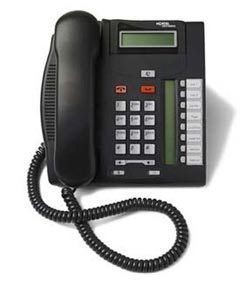
War dialing one telephone number takes approximately 35 seconds. This means that war dialing a prefix of ten thousand numbers will take just over four days.
War dialing can be done by hand, although dialing several thousand telephone numbers by hand is extremely boring and takes a long time.
A much better strategy is to use a war dialing program, sometimes called a war dialer or a demon dialer.
War Dialing Software
Currently, the best war dialer available to DOS/Windows users is ToneLoc from Minor Threat and Mucho Maas.
ModemScan is a new alternative to ToneLoc for the Microsoft Windows platoform.
TeleSweep is a commercial war dialer for Microsoft Windows which is now available at no cost.
For the Macintosh, try Assault Dialer.
For Unix, try PAWS, iWAR (Intelligent Wardiaer), THC-SCAN NG or Telescan.
A war dialer will dial a range of numbers and log what it finds at each number, you can then manually dial only the numbers that the war dialer marked as carriers or tones.
Polite war dialing
When the war dialing modem calls a telephone number and a human being answers the telephone, the human being will hear silence on the line. The person will usually attempt to begin a conversation by saying "Hello" at increasingly loud volumes before hanging up. Some people will attempt to call back to the number that just dialed them. Occasionally, these call-backs can last for several days.
In general, people do not like to be called. To be as polite as possible while war dialing, try to war dial business areas at night, when very few people are at the office. Conversely, it is best to war dial residential areas during the day when most people are at work and few people are asleep.

RobertJohns
Get a life.